No one rejects the opportunity, because no one is ever asked to consider it.
A possibility has to survive a chain of people each defending a commitment already made. There is no step at which anyone is asked what else the enterprise could be.
 Robert & Porter
Venture Foundry & Capability Commercialization Firm
Robert & Porter
Venture Foundry & Capability Commercialization Firm
Robert & Porter is a venture foundry. The raw capability is usually already there: data, patents, licences, technical skill, standing relationships. We establish what that capability would be worth in a market the organization does not currently serve, then build the product, licence, or company that carries it there.
01The structural claim
Specialization creates depth.
Departmentalization creates silos.
Optimization creates local efficiency.
Opportunity forms between them.
02Perspective
An asset is described by the people who use it, in the words of the job it already does. Read the same asset from outside that job and a different business appears, without anything about the asset having changed.
03Method
Six stages, run in order. Each one exists to answer a question the previous stage raises, and none of them begins with a predetermined solution.
Discover→ Deconstruct→ Abstract→ Evaluate→ Engineer→ Realize
The opportunity determines the structure, and the firm is not attached to any one of them.
The six stages in full04Where this applies
The method is built for organizations that have accumulated more than any one function can see. Four conditions tend to appear together, and the more of them hold, the more there is to find.
01Data, technology, intellectual property, or know-how that lives in people rather than in documents
02Operations, customers, assets, or infrastructure spread across many places
03Regulatory or contractual complexity
04No department whose job includes opportunities outside its own remit
Size is not the qualifier. A single-location operator can meet all four conditions as fully as a multinational.
05Thesis
A possibility has to survive a chain of people each defending a commitment already made. There is no step at which anyone is asked what else the enterprise could be.
Every function owns its piece and can tell you so. What the pieces are worth together belongs to nobody, and nothing without an owner ever reaches the top of a list.
Listing what you hold is a clerical act. Valuing the same thing for a market you have never sold into is not, and almost nobody inside the business is positioned to try.
A pool route, a dosing decision, an equipment failure found only when a customer calls. Each is a measurement problem, and measurement compounds into an asset nobody thought to look for.
06Precedent
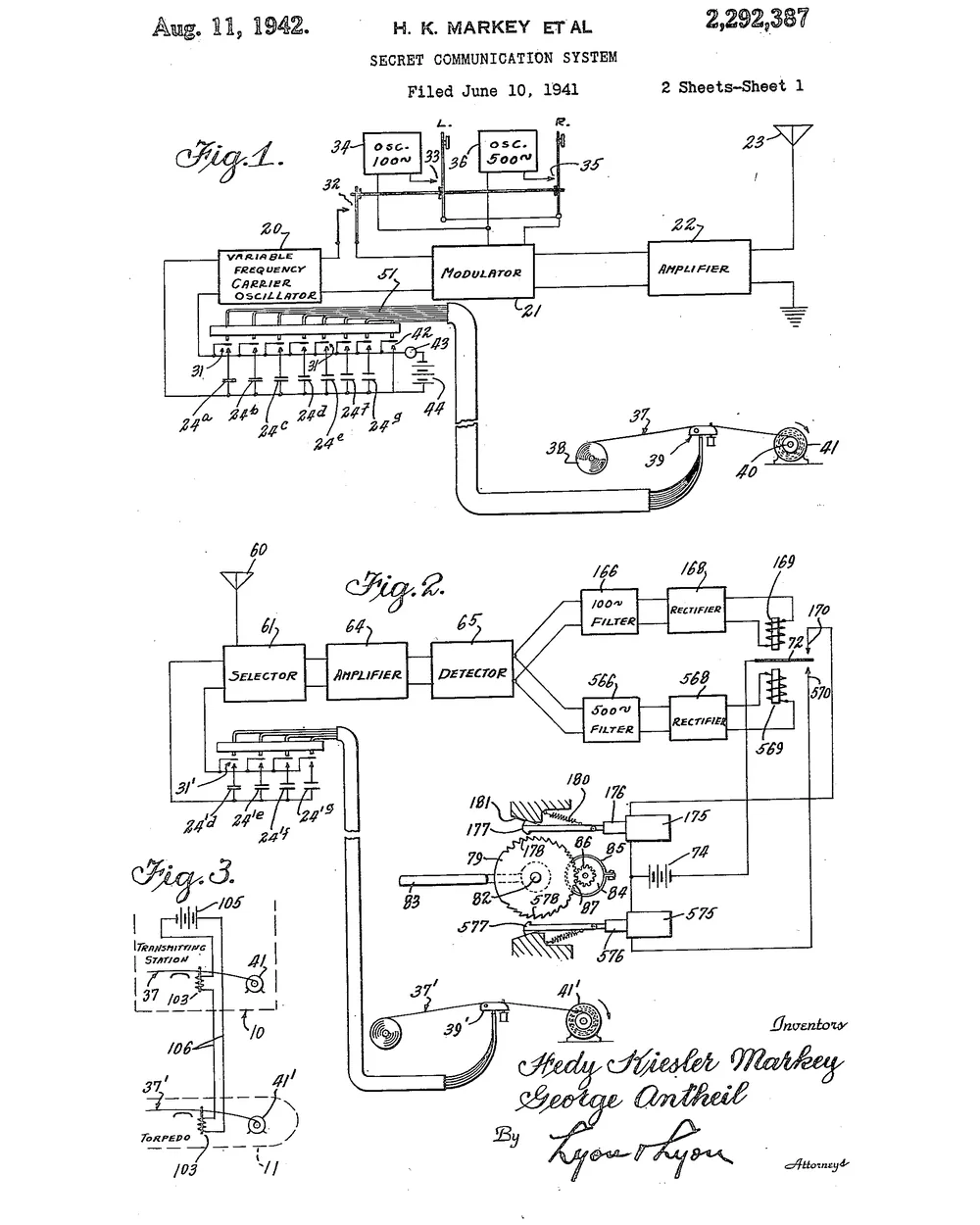
Capability routinely outlives the context it was built for, and the gap between the two is measured in decades. Six documented cases sit on the thesis page. This is one.
07Contact
Some engagements begin with a defined mandate. Others begin with a well-founded suspicion that the organization contains more value than it currently captures. Robert & Porter works directly with the people who can authorize a decision: owners and boards, general counsel, heads of engineering and operations, and the investors standing behind them.
Contact Robert & Porter contact@robertandporter.com